- March 22, 2026
- Terri Fiori
This is the final article in a four-part series.
Have you ever walked into a room and instantly felt unwelcome? Or noticed certain rooms in your home that no one ever chooses to spend time in? They’re often one and the same.
Over the past few articles, I’ve shared how seemingly small design decisions can shape how a home feels and functions. I saved the most impactful for last: furniture placement.
The way furniture is arranged affects how we move through a space and how we connect within it. When the layout is off, a room can feel awkward, even uncomfortable, and often ends up unused. It’s one of the most common challenges I see with clients. When a space is thoughtfully arranged, people naturally settle in and stay, often without knowing why. That’s the butterfly effect at work.
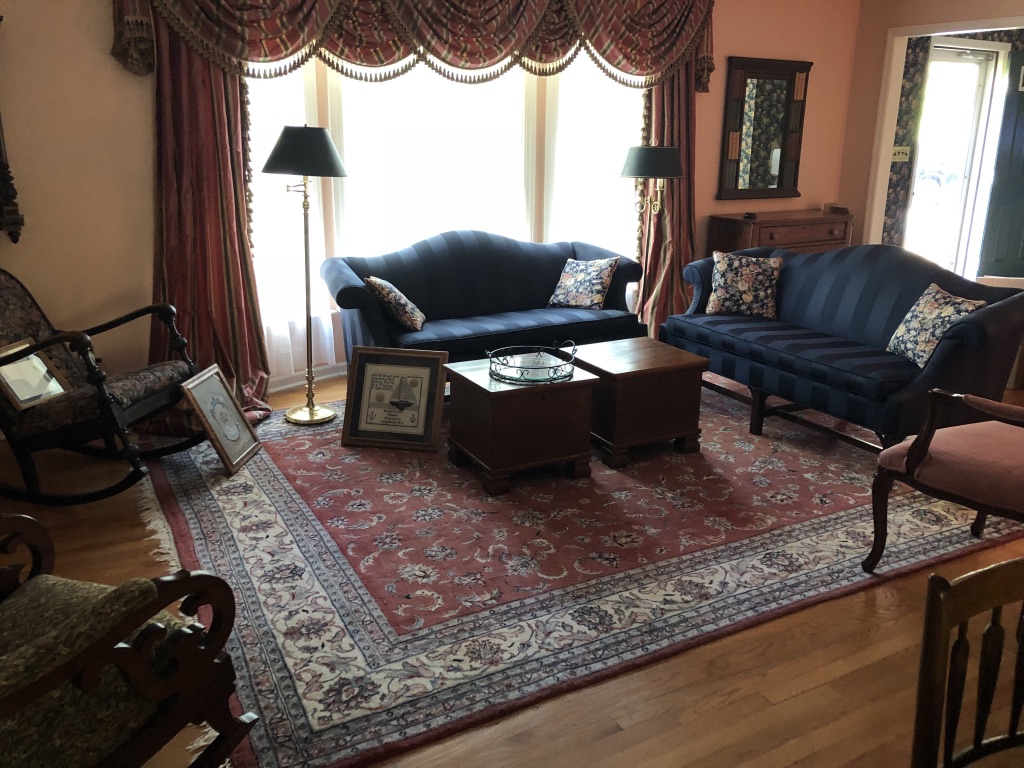
That was exactly the case in our client’s Wyckoff, NJ home. In this before photo, the transformation wasn’t just about updating the furnishings and window treatments.
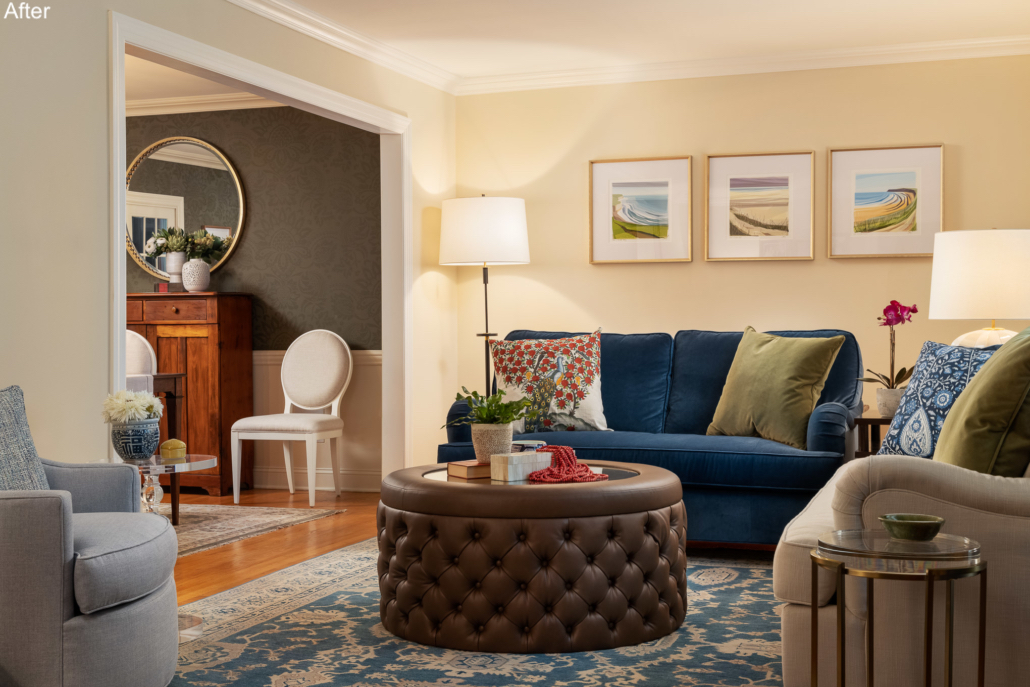
Here is the “after” photo.
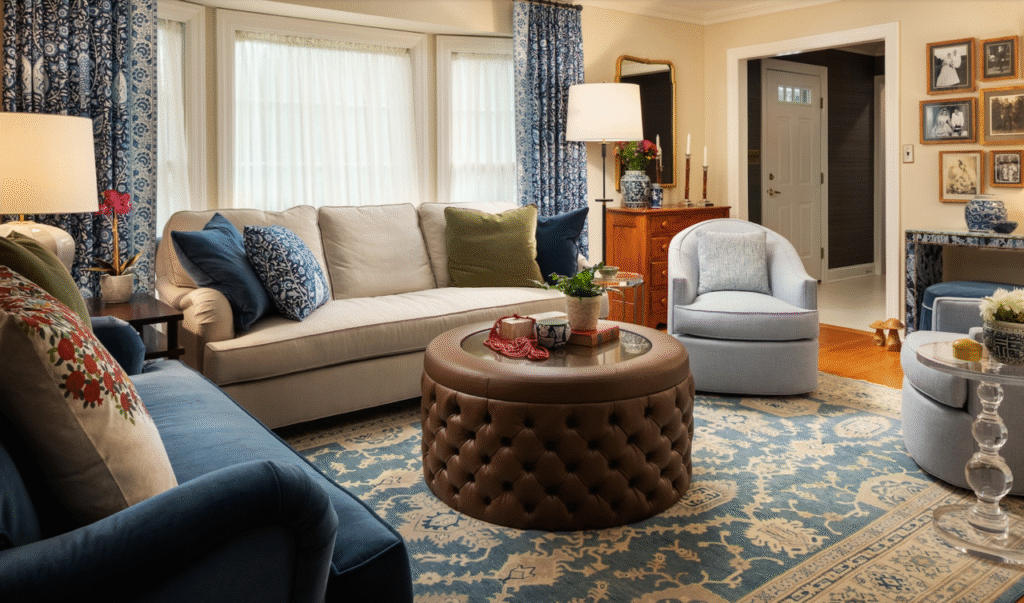
We began by reworking the layout so the space felt inviting the moment you walked through the front door. The sofa had its back to the foyer, so we repositioned it to the opposite side of the room and replaced it with two swivel chairs, opening up the space and creating a more welcoming flow. The circular seating arrangement also guides you into the adjoining space. A small change that not only improved function but also changed the feeling and flow of the room the moment you enter. The client shared that the entire family now finds themselves drawn to this room.
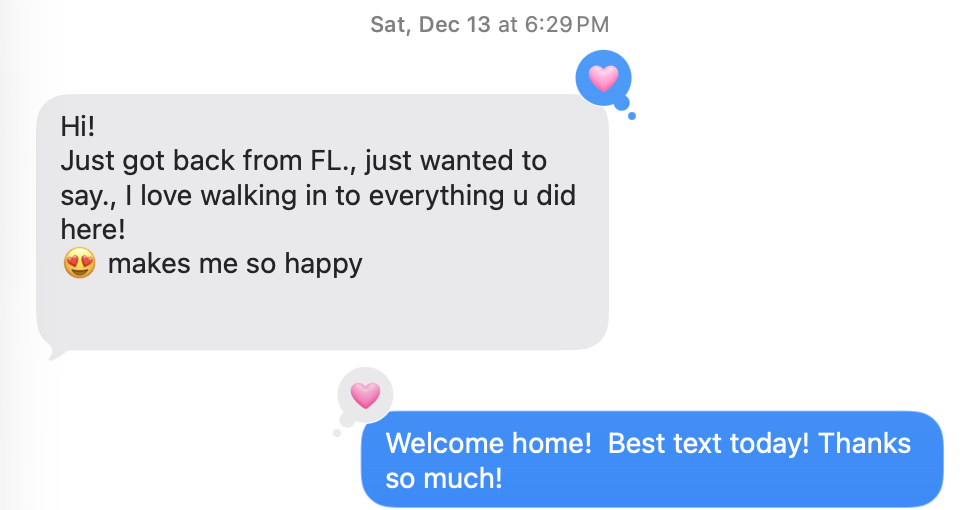
Here is the message I received several weeks ago from the client whose home I shared above:
The floor plan is the foundation for how a space flows and functions. It’s how we begin every design as It informs the budget, guides the scale of each piece, and allows the design to be presented as a complete, thoughtful whole. Every decision builds on the next, quietly supporting the overall vision. This approach becomes even more meaningful in full-home projects, where considering the layout and furnishings from the start allows every element to work together seamlessly.
I hope this series gave you a new way to see your home, and helped you notice the subtle shifts that can make each room function more beautifully over time.
If you’ve been living with rooms (or an entire home) that don’t quite work, it may not need more furniture… it may just need a better plan. Reach out for a complimentary discovery call to explore what’s possible.

Design is personal, and the right choices make all the difference.